
Wildlife and Biodiversity
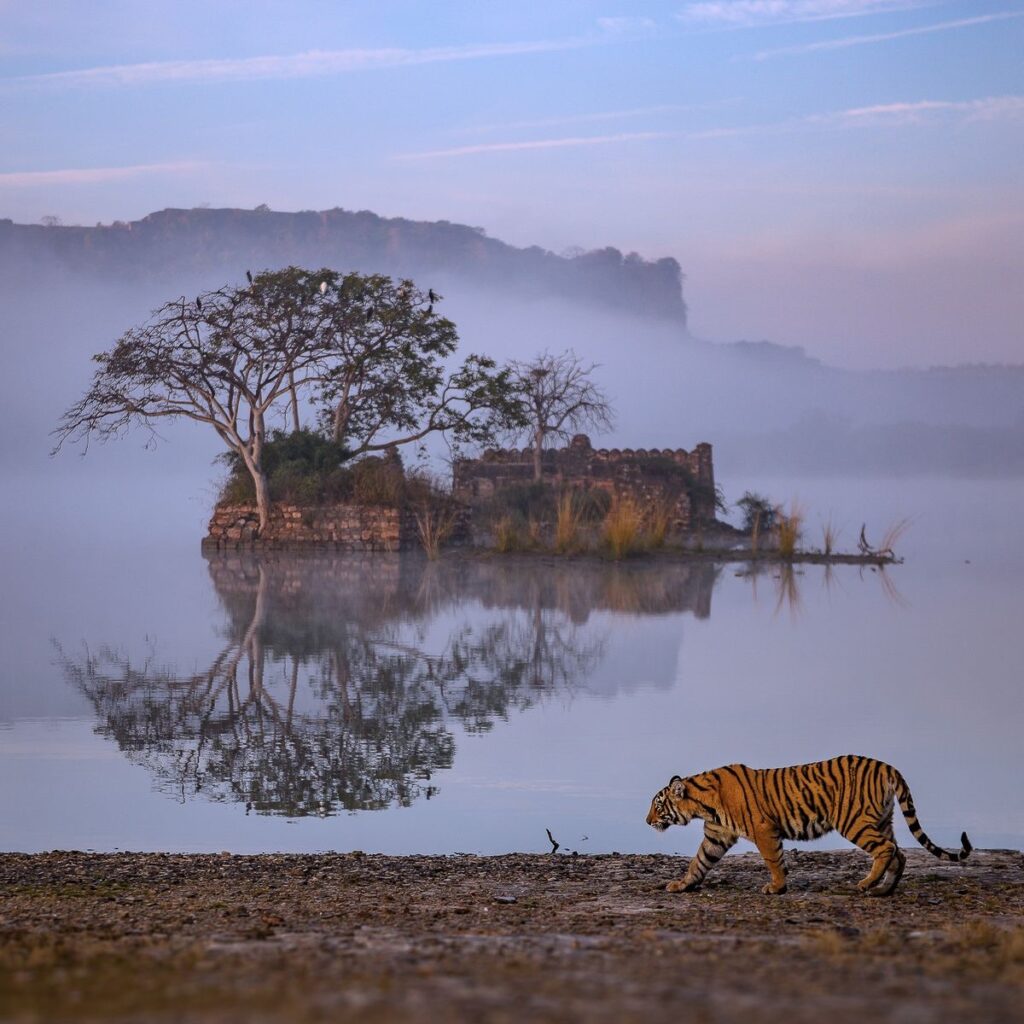
A Wild Safari is an adventure trip where people visit forests or wildlife reserves to observe animals in their natural environment. Safaris are usually done in open jeeps, buses, or sometimes on elephants. During a safari, visitors may see animals like tigers, lions, elephants, deer, and many birds. Famous safari destinations in India include parks like Ranthambore National Park and Jim Corbett National Park.
Wild safaris also help spread awareness about wildlife conservation and support tourism that helps protect forests and animals.
About Wildlife
Wildlife refers to all the animals, birds, insects, and plants that live in natural environments such as forests, grasslands, deserts, and oceans without human control. Wildlife is an important part of nature because it helps maintain the balance of ecosystems. Different species depend on each other for food, shelter, and survival.
Wildlife also plays a major role in pollination, seed dispersal, and controlling pests. Many countries protect wildlife through national parks, wildlife sanctuaries, and conservation programs. However, wildlife is threatened by problems like deforestation, pollution, climate change, and illegal hunting.
Protecting wildlife is important to preserve biodiversity and ensure that future generations can enjoy and benefit from nature. 🌿🦌
Wildlife Facts
Here are some interesting facts about wildlife forests 🌳🦌:
Forests are home to most wildlife
Around 80% of the world’s land animals and plants live in forests. Many species cannot survive outside forest habitats.Forests create their own rain 🌧️
Trees release water vapor through a process related to Transpiration. This helps form clouds and rain, keeping the forest ecosystem alive.Some animals are almost invisible
Animals like the Bengal tiger have striped fur that helps them blend into tall grass and forest shadows, making them excellent hunters.Forests “talk” underground 🌱
Trees can share nutrients and signals through underground fungal networks called Mycorrhizal network, sometimes nicknamed the “Wood Wide Web.”Many animals are active only at night 🌙
Animals like the Leopard and Owl are nocturnal, meaning they hunt and move mostly at night.One forest can have thousands of species
A single tropical forest can contain hundreds of tree species and thousands of insects, birds, and mammals.Dead trees are important too
Fallen logs become homes for insects, fungi, and small animals, helping recycle nutrients back into the soil.
🌿 Fun fact: The famous Ranthambore National Park near your region is known for its wildlife forests and is one of the best places in India to see Bengal tigers in the wild.
Here’s Something Interesting…
Once the private hunting reserve of the Maharajas of Jaipur, the gorgeous Ranthambore National Park is a proud member of the Project Tiger programme.